
COMMHERITOUR

Community-based models for sustainable valorisation of cultural heritage crafts to enhance economic and tourism performance of remote areas of the Danube Region
From traditional crafts and handmade objects to local creative industries and folklore, tangible cultural heritage is more than just a reminder of the past. It shapes the identity of our regions across the Danube Region, strengthens local communities while also creates opportunities for people to meet, learn and collaborate. Heritage-based skills and products attract visitors, support small businesses, and help remote regions keep their uniqueness in a fast-changing world. When crafts are nurtured, taught and connected to tourism and local markets, they generate jobs, encourage young people to stay, and turn cultural traditions into a source of shared prosperity. COMMHERITOUR builds on this potential to make heritage a real driver of local development, cross-regional interconnectedness and a better quality of life in the Danube Region

COMMHERITOUR project is an international initiative under the Interreg Danube Region Programme, funded by the European Union. The project follows an integrated approach: it connects craftsmanship, local economies, tourism, and community involvement into a shared development model. Its main objectives are to help regions better understand the value of their cultural heritage, improve how traditional skills and products reach markets and visitors, and support communities in turning heritage into sustainable opportunities. As key results, the project will produce a joint Danube Region Heritage Valorisation Strategy and Action Plan, eight local valorisation plans and pilot actions, a shared training syllabus, and the HeriCraftMarket: a digital platform for showcasing crafts and sharing knowledge, a place where you are now.
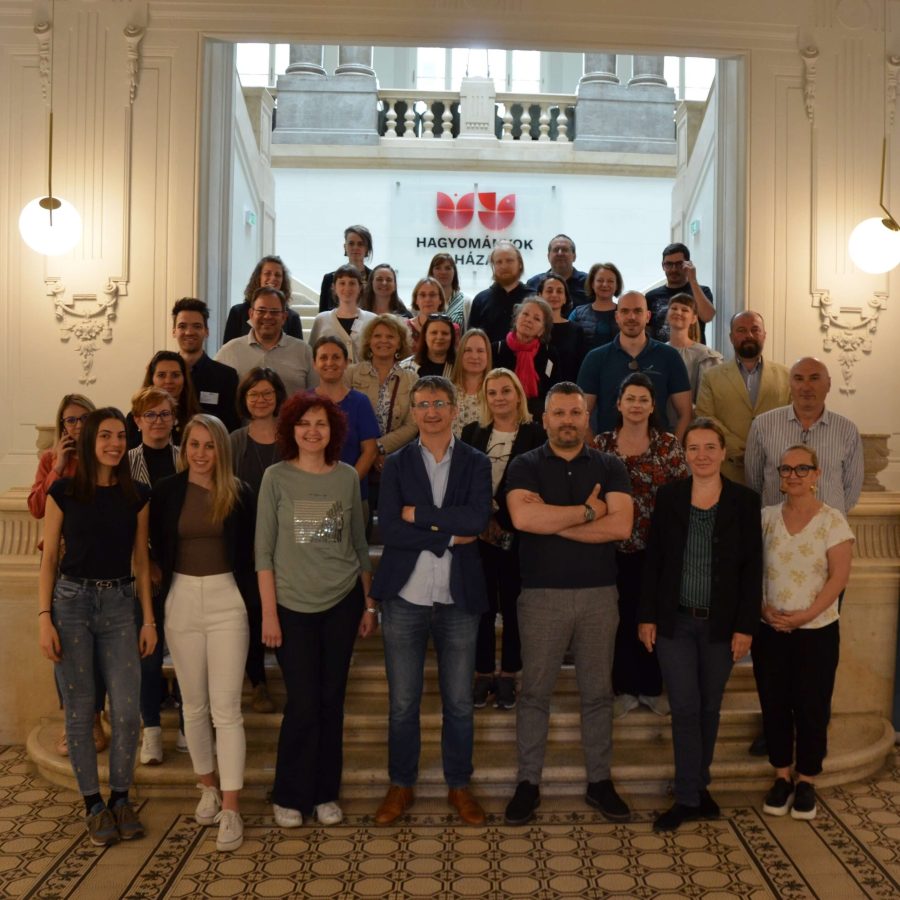
The project is led by the Municipality of Jászberény (Hungary), a town with a strong tradition in folk culture and craft heritage. COMMHERITOUR brings together a diverse partnership of universities, regional development agencies, tourism boards, cultural institutions, local action groups, and organisations directly involved in heritage crafts. This mix ensures a balance of scientific expertise, practical field experience, and strong local engagement. In addition, the project is supported by a network of Associated Strategic Partners: public authorities, chambers of crafts, cultural organisations, and other institutions, who contribute specialised knowledge and help transfer the project’s results into wider regional and national policies.
The project is led by the Municipality of Jászberény (Hungary), a town with a strong tradition in folk culture and craft heritage. COMMHERITOUR brings together a diverse partnership of universities, regional development agencies, tourism boards, cultural institutions, local action groups, and organisations directly involved in heritage crafts. This mix ensures a balance of scientific expertise, practical field experience, and strong local engagement. In addition, the project is supported by a network of Associated Strategic Partners: public authorities, chambers of crafts, cultural organisations, and other institutions, who contribute specialised knowledge and help transfer the project’s results into wider regional and national policies.
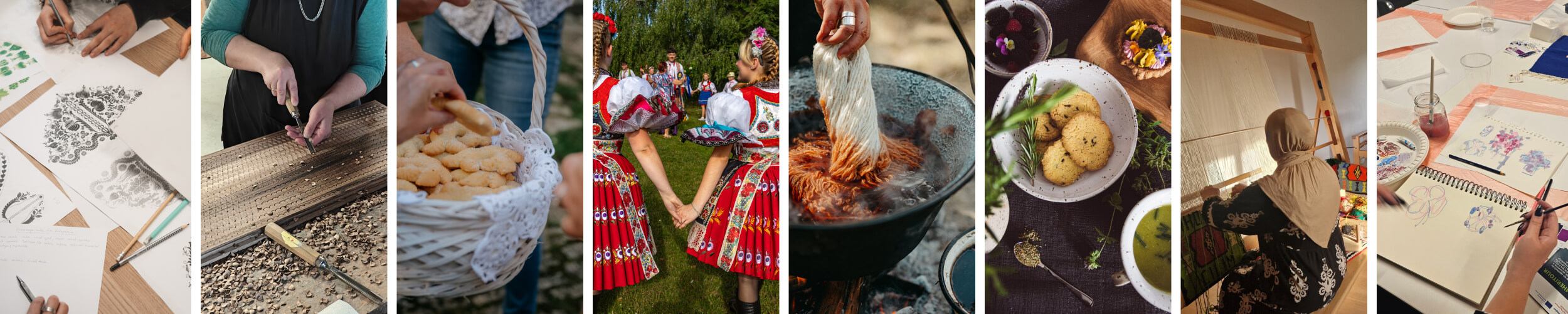
The project features eight strategically-grounded pilot actions, each designed around a unique craft valorisation challenge in a distinct region of the Danube Region. Each pilot is rooted in local tradition and aims to test innovative ways of linking craft, community and tourism thus improving the performance of the local crafts heritage valorisation eco-system.
In Hungary (Jászberény and the Jászság region), the pilot revives the Jász shepherd’s coat embroidery heritage by its adaptation to wearable outfits while building up marketing and branding settings as well as a visitor-friendly showcase.
In Bosnia & Herzegovina (Herzegovina-Neretva Canton), the focus is on the multiple valorisation scheme of the already widely acknowledged wood-carving heritage and industry realized in the form of artisans’ training programmes, youth engagement, and short‐films enhancing the craft’s appeal for tourism, local employment and product markets.
In Croatia (Central Istria), the pilot centres on the traditional pastry “Pazinski cukerančić” and combines live production demonstrations, immersive visitor experiences at a heritage site and digital storytelling to widen appeal.
In the Czech Republic (Mikulov region) local folk costume motifs are re-interpreted for modern cycling apparel in addition to novel festival offers and workshops to attract younger visitors and strengthen place-identity.
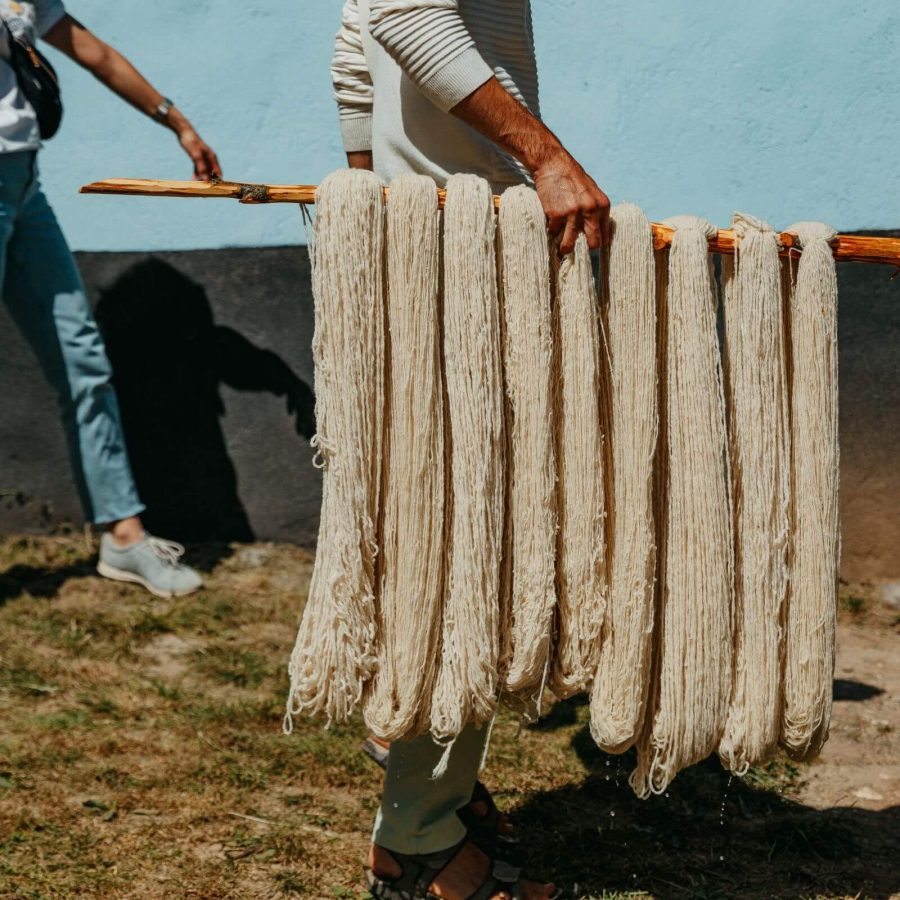
In Romania (Sibiu County), the focus is on wool-based value chains: documenting and showcasing sheep-to-fabric practices, hands-on spinning/weaving/dyeing workshops, artisan-designer collaborations and film-guides to promote the combination of tradition with contemporary value chains.
In Slovenia (Kamnik region), the pilot blends monastic herbal-craft tradition with tourism packages and service design: workshops, hydrosol product development, storytelling-breakfasts and herbal-tour circuits build a niche heritage-experience offer maximising the use of local potentials.
In Montenegro (Petnjica, Bihor region), the pilot aims to preserve and re-energise carpet-weaving via intergenerational training, digital manuals/videos, new carpet designs, school-loom installations and a young-weaver network to spark revitalisation in a remote area aiming high with Bihor carpet.
In Serbia (Autonomous Province of Vojvodina), the pilot tackles the varied potentials of Stapar carpet patterns with the involvement of the youth stressing the value and different narratives for children (children’s books) and all other generations (costume design) contributing to enhanced local identity and tourism offer
More information about the project can be found on the official project website: https://interreg-danube.eu/projects/commheritour/