The COMMHERITOUR partnership brings together organisations from across the Danube Region that are deeply connected to cultural heritage, community development, tourism and education. Each partner contributes its own strengths, from academic expertise and field research to regional development, craft know-how, tourism experience and community engagement. By working together, this diverse group forms a strong cooperation network capable of turning traditional crafts into modern opportunities for local people, businesses and visitors.
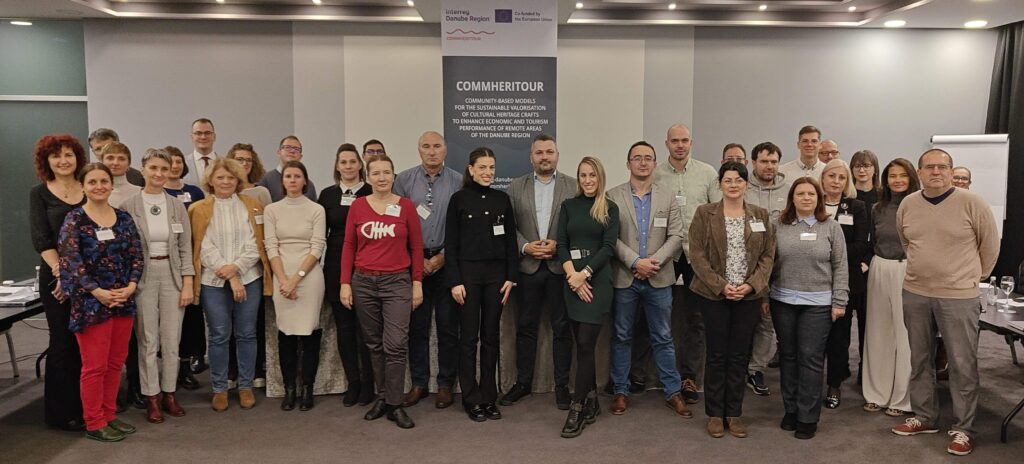
The consortia, coordinated by a Lead partner, consists of 12 Project partners and is supported by 13 Associated strategic partners from 11 Danube Region countries. Jászberény Municipality acting as the Lead partner coordinates the project and ensures smooth cooperation as well as proper project implementation. The Project partners are either knowledge providers (two universities and a regional agency) who take care of different knowledge fields and working methodologies or regional partners representing a micro-region each. They implement actions (work on pilot actions in thematic action planning for their regions) along with wide publicity and stakeholder involvement. Lastly, the Associated strategic partners provide extra support and help transfer project results into broader policies and networks.

Jászberény Muncipality (Hungary)
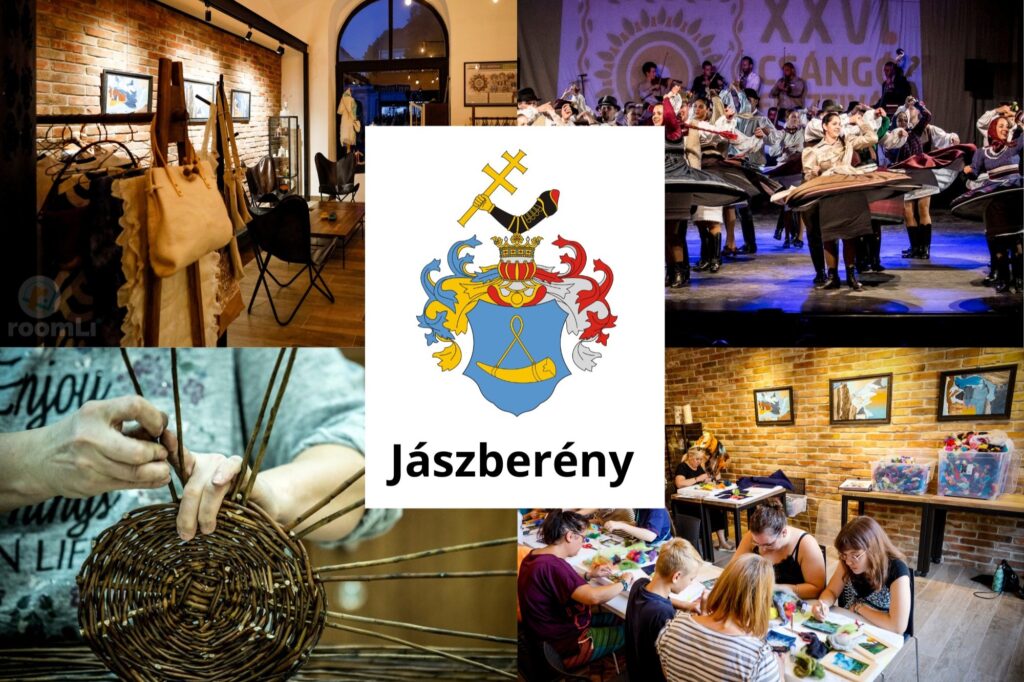
Jászberény Municipality is the project’s initiator and Lead Partner. The town plays a key role in preserving Jász traditions, strengthening local identity, and supporting craft heritage through initiatives such as the Jászság Folk Art Workshop Association. Deeply committed to culture and creative industries, Jászberény actively engages in economic, cultural and environmental development, promoting sustainable growth for both the city and its wider region.
Metropolitan University Budapest (Hungary)
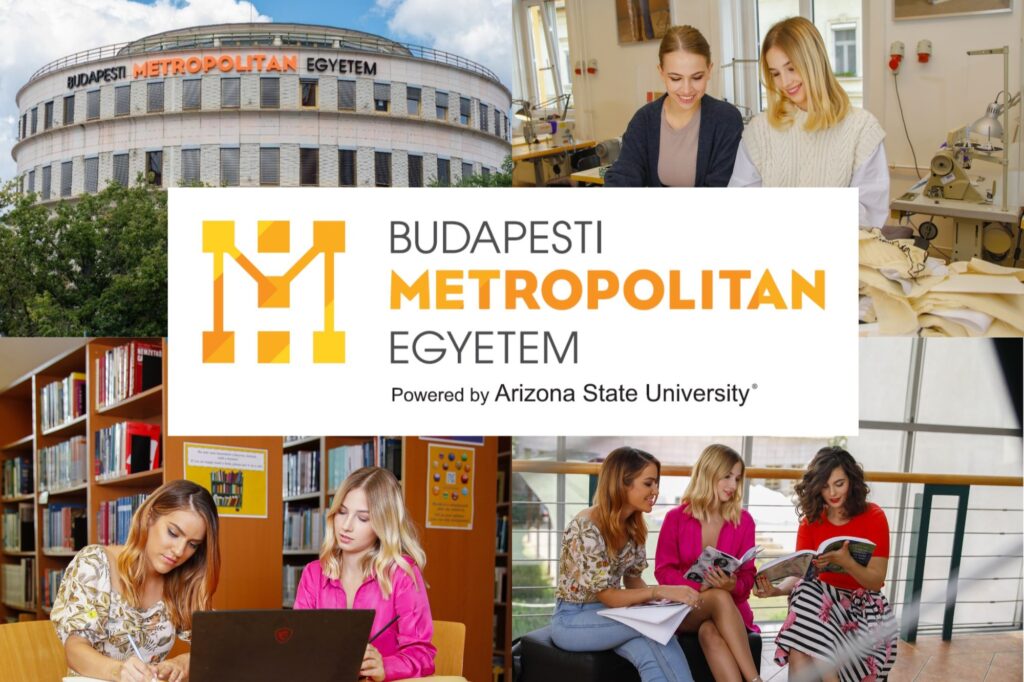
Metropolitan University Budapest brings expertise in social sciences, tourism and creative arts. It supports heritage-based product development, market research and capacity building, linking academic knowledge with local needs. METU contributes methodologies, training and mentoring, helping communities improve the marketability of crafts, boost tourism performance and strengthen cross-regional cooperation. As a knowledge provider, it also co-develops the project’s training syllabus and supports pilot preparation.
University of Ljubljana (Slovenia)
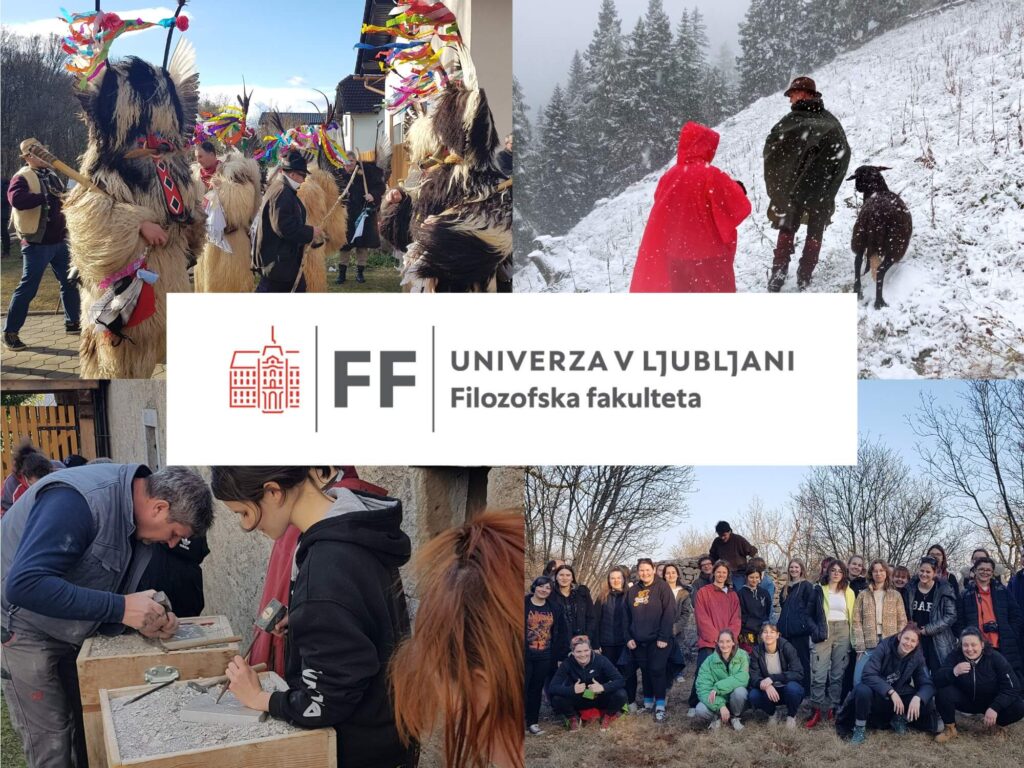
The University of Ljubljana applies strong ethnology and cultural anthropology expertise. It supports community mapping, heritage research and participatory methodologies rooted in fieldwork traditions. As a key knowledge partner, the university coordinates awareness-raising activities and mentors pilot implementations, helping shape strategies that strengthen heritage valorisation, community cohesion and long-term knowledge transfer across the Danube Region.
Regional Development Agency of South Bohemia – RERA (Czech Republic)
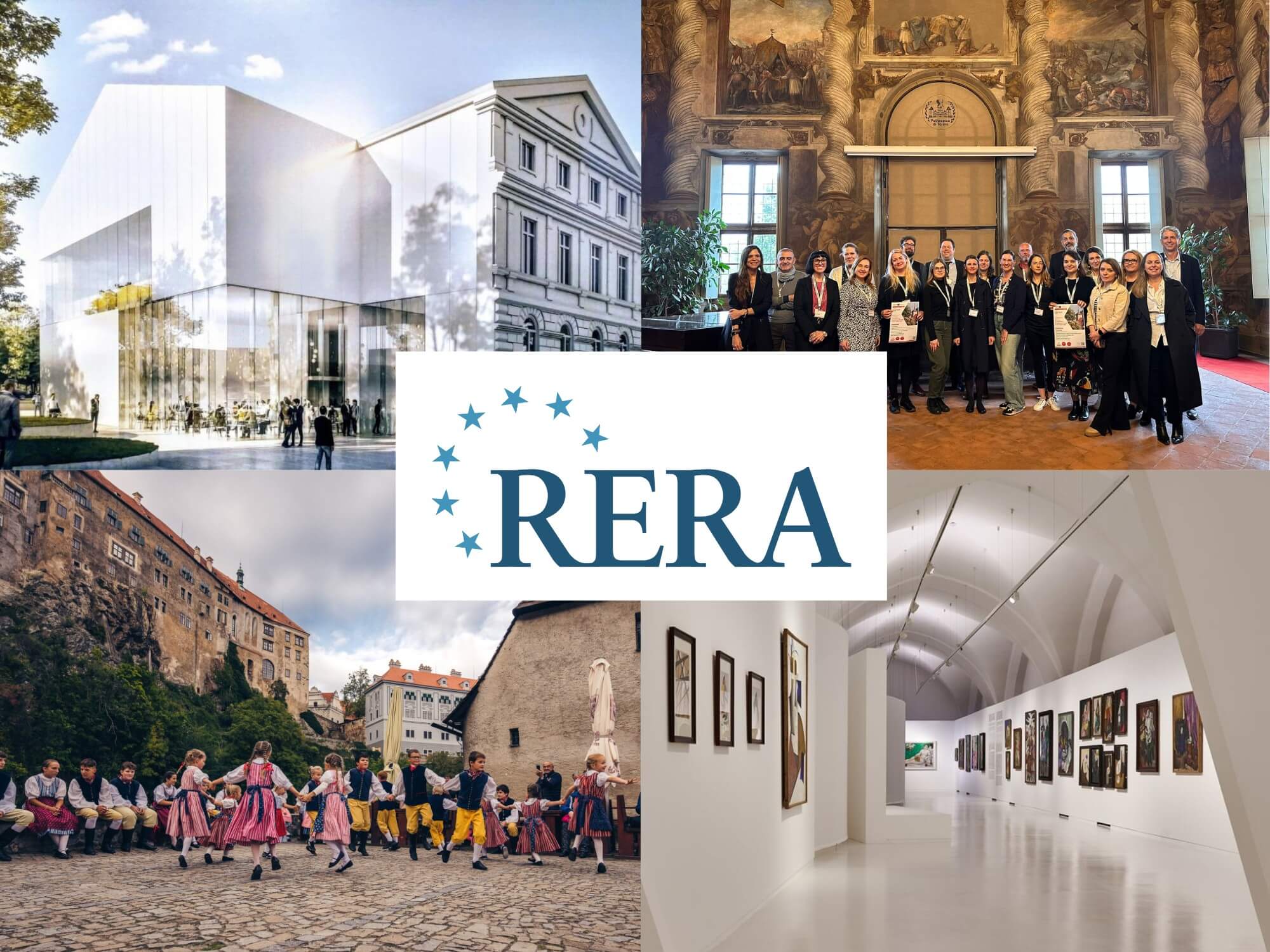
For over 25 years, the Regional Development Agency of South Bohemia has supported economic, social and cultural development in the region. It provides expertise in project design, grant management and stakeholder facilitation. RERA helps develop thematic ecosystems through community-based solutions, active stakeholder engagement and knowledge transfer. As a knowledge partner in COMMHERITOUR, it contributes to methodological development and supports the creation of the HeriCraft Market platform.
Tourist Board of the Herzegovina-Neretva Canton
(Bosnia and Herzegovina)
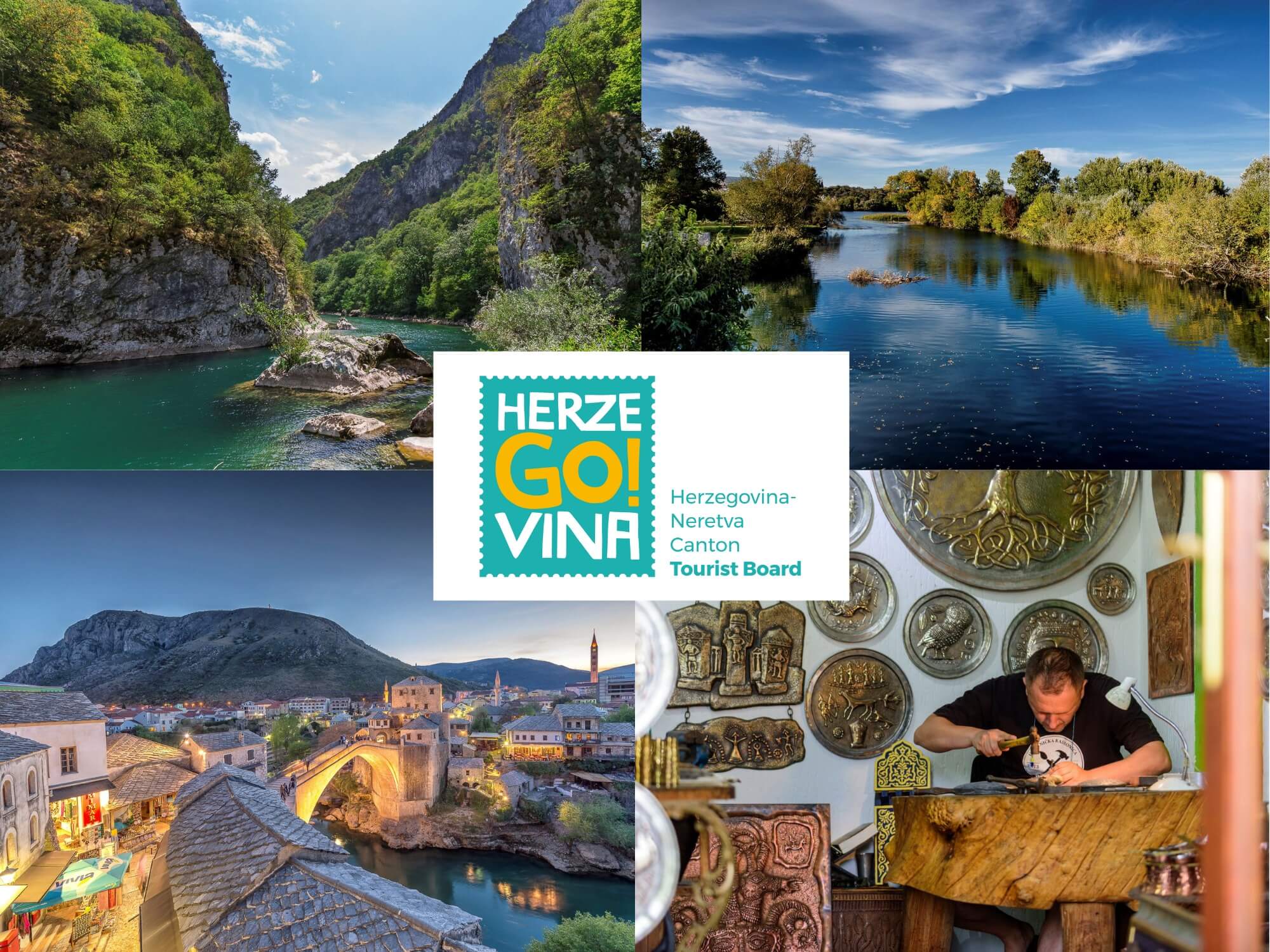
The Herzegovina-Neretva Canton showcases dramatic landscapes and centuries-old traditions. The Tourist Board brings together artisans, tourism businesses and visitors eager to experience the region’s authentic heritage. It promotes natural beauty, cultural richness and tourism potential, supporting sustainable development and positioning the Canton as a unique destination. Within the project, it leads local activities related to woodcarving heritage and pilot implementation.
Local Action Group Central Istria (Croatia)
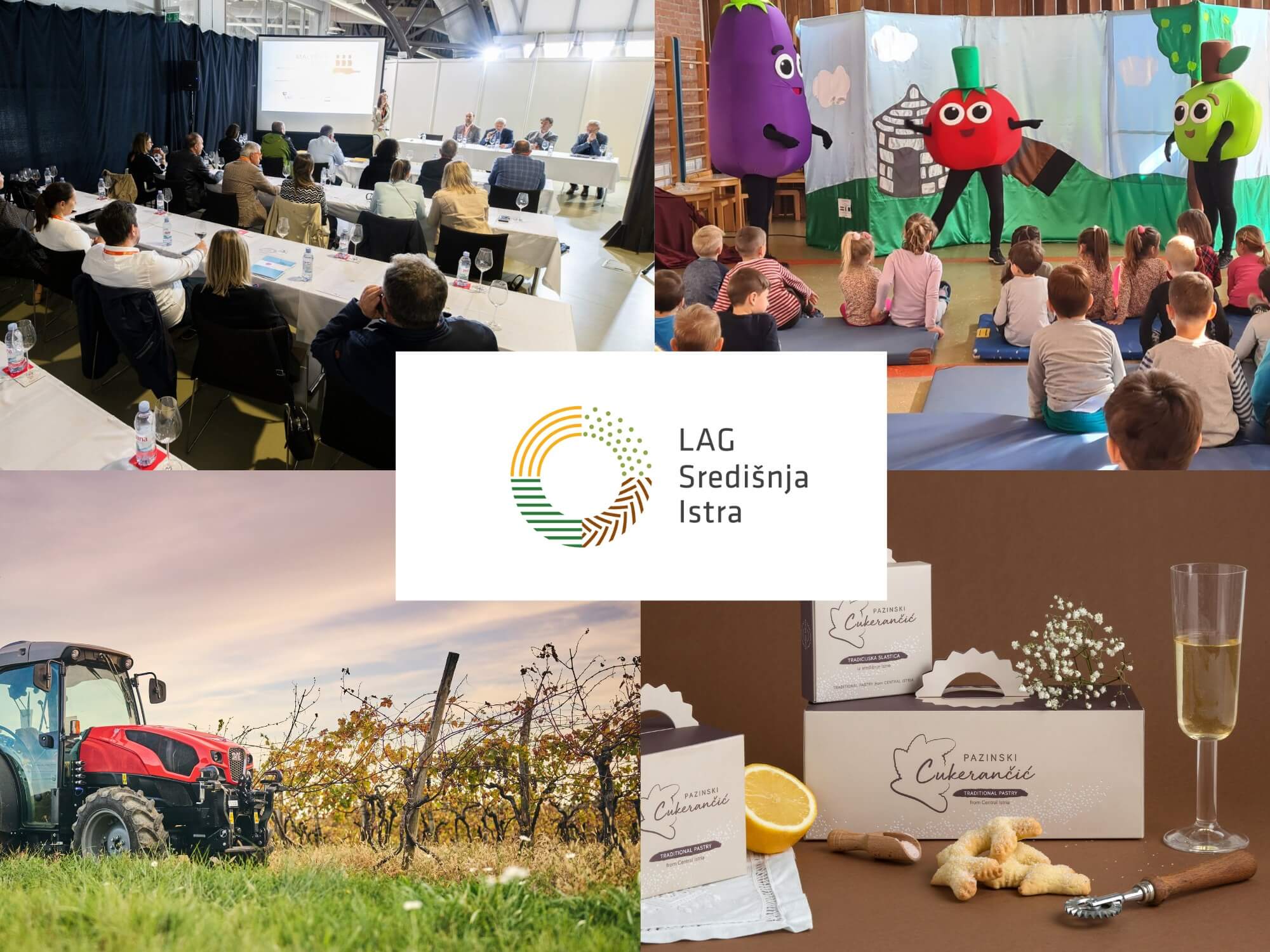
Local Action Group Central Istria, founded in 2012, fosters regional development through a bottom-up, community-led approach that places local people at the heart of rural development. Working with municipalities, citizens and partners, LAG Central Istria promotes sustainable growth through national and EU funds. In COMMHERITOUR, it focuses on the valorisation of the traditional pastry “Pazinski cukerančić” and the creation of innovative visitor experiences.
Institute of Social Innovations (Czech Republic)
For over 20 years, the Institute of Social Innovations has supported socio-economic development in the Moravian region. With a strong focus on human resource development, USI provides specialised training programmes, seminars and skills-oriented initiatives. Its mission is to strengthen social cohesion through social innovation and entrepreneurship. In COMMHERITOUR, it contributes to community involvement activities and supports pilot development in its region.
Sibiu County Council (Romania)
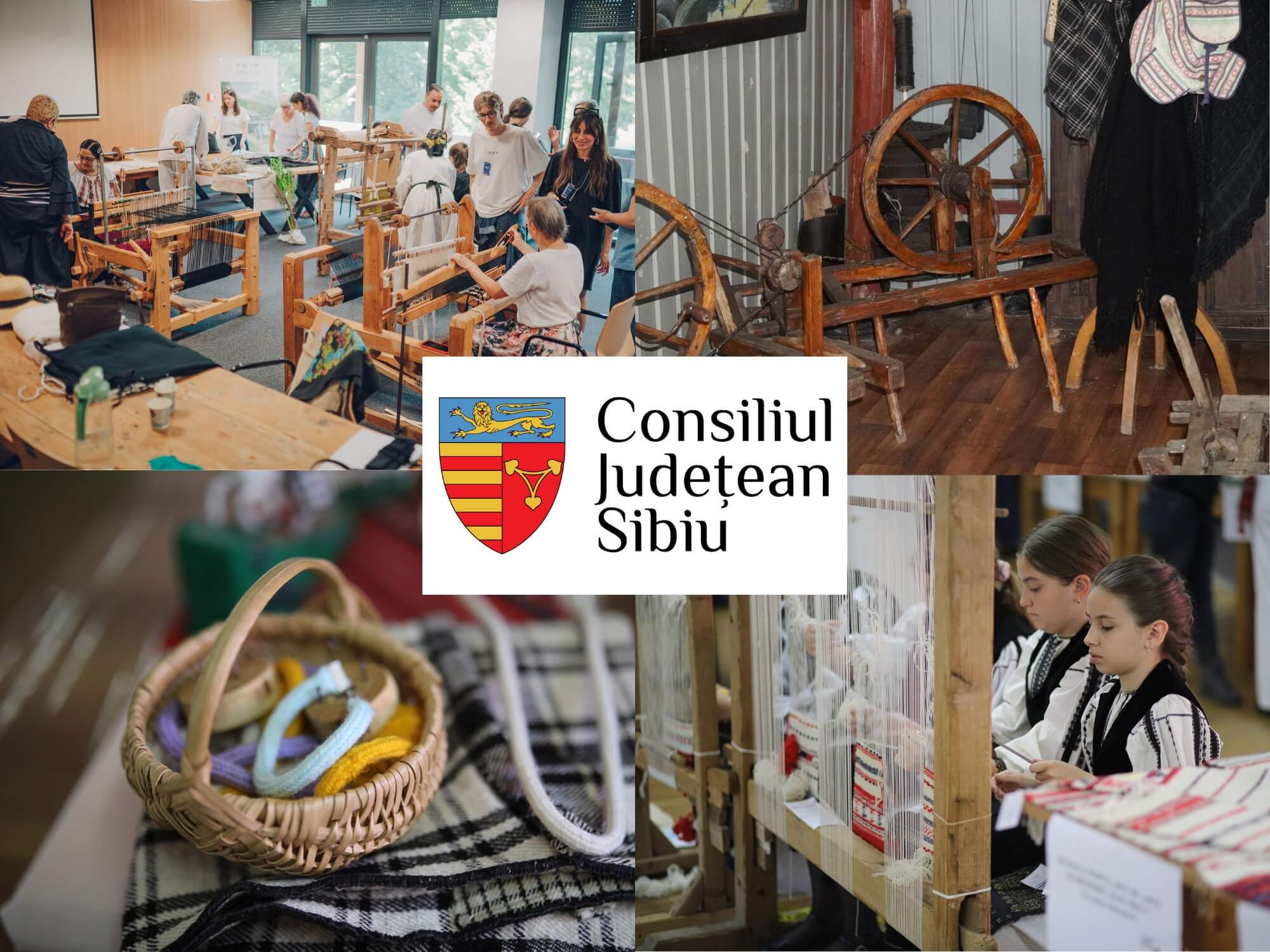
Sibiu County Council is a regional public authority from central Romania, actively promoting cultural heritage and sustainable tourism. In a region where Saxon heritage blends with vibrant Romanian traditions, cultural valorisation plays a crucial role in local development. The county supports craftspeople, rural communities and cultural initiatives. With substantial experience in EU cooperation projects, it leads the wool-craft pilot in Mărginimea Sibiului.
European Affairs Fund of the Autonomous
Province of Vojvodina (Serbia)
The Fund for European Affairs and Development of the Autonomous Province of Vojvodina monitors and implements European integration processes and strengthens institutional capacities in the region. It supports Serbia’s inclusion in European political and economic trends, develops international cooperation and prepares projects funded by EU instruments. Within COMMHERITOUR, it contributes to mapping heritage crafts and supporting local actors in Vojvodina.
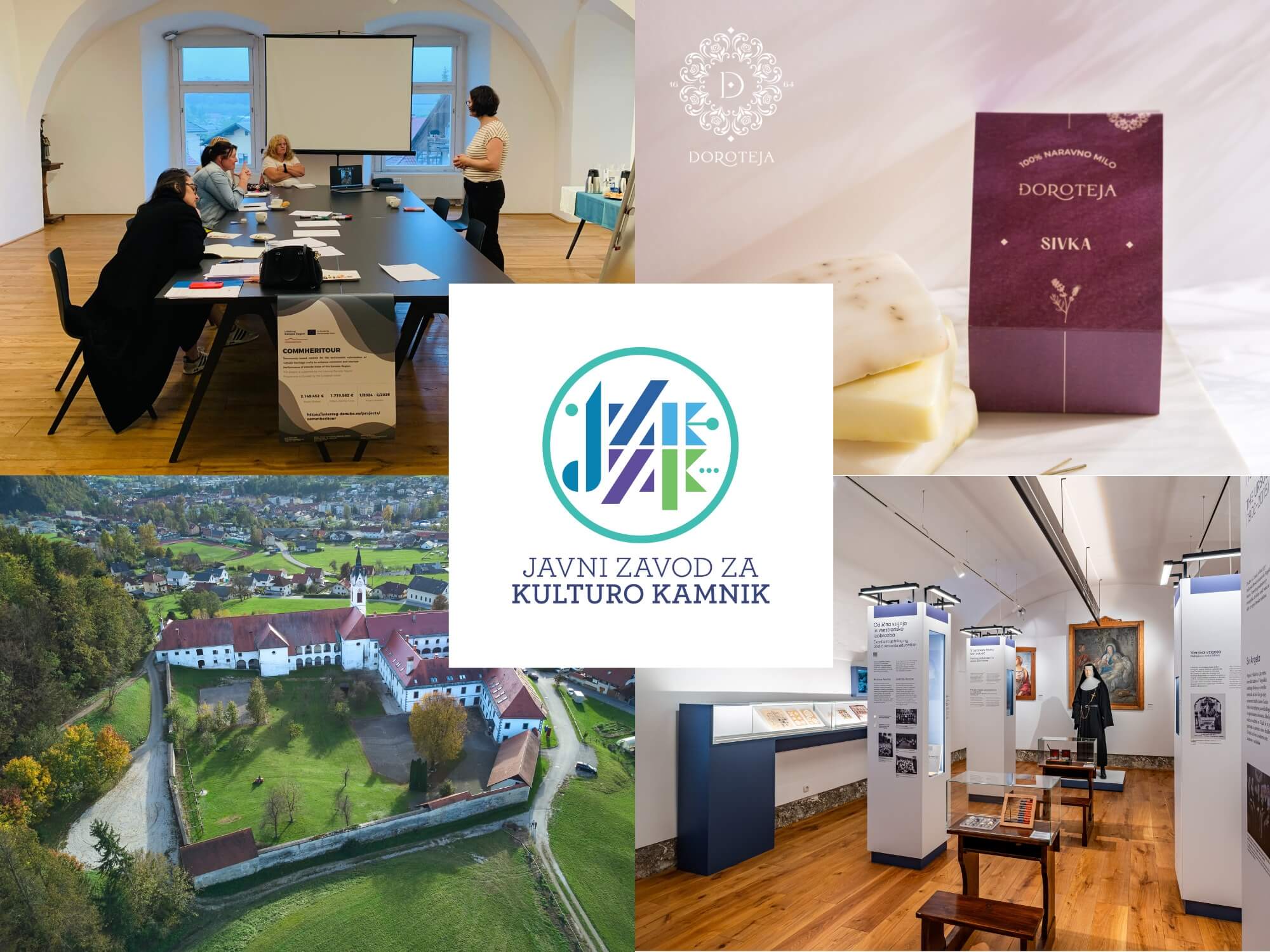
Kamnik Public Institute for Culture (Slovenia)
Sibiu County Council is a regional public authority from central Romania, actively promoting cultural heritage and sustainable tourism. In a region where Saxon heritage blends with vibrant Romanian traditions, cultural valorisation plays a crucial role in local development. The county supports craftspeople, rural communities and cultural initiatives. With substantial experience in EU cooperation projects, it leads the wool-craft pilot in Mărginimea Sibiului.
Rukotvorine d.o.o. Konjic (Bosnia and Herzegovina)
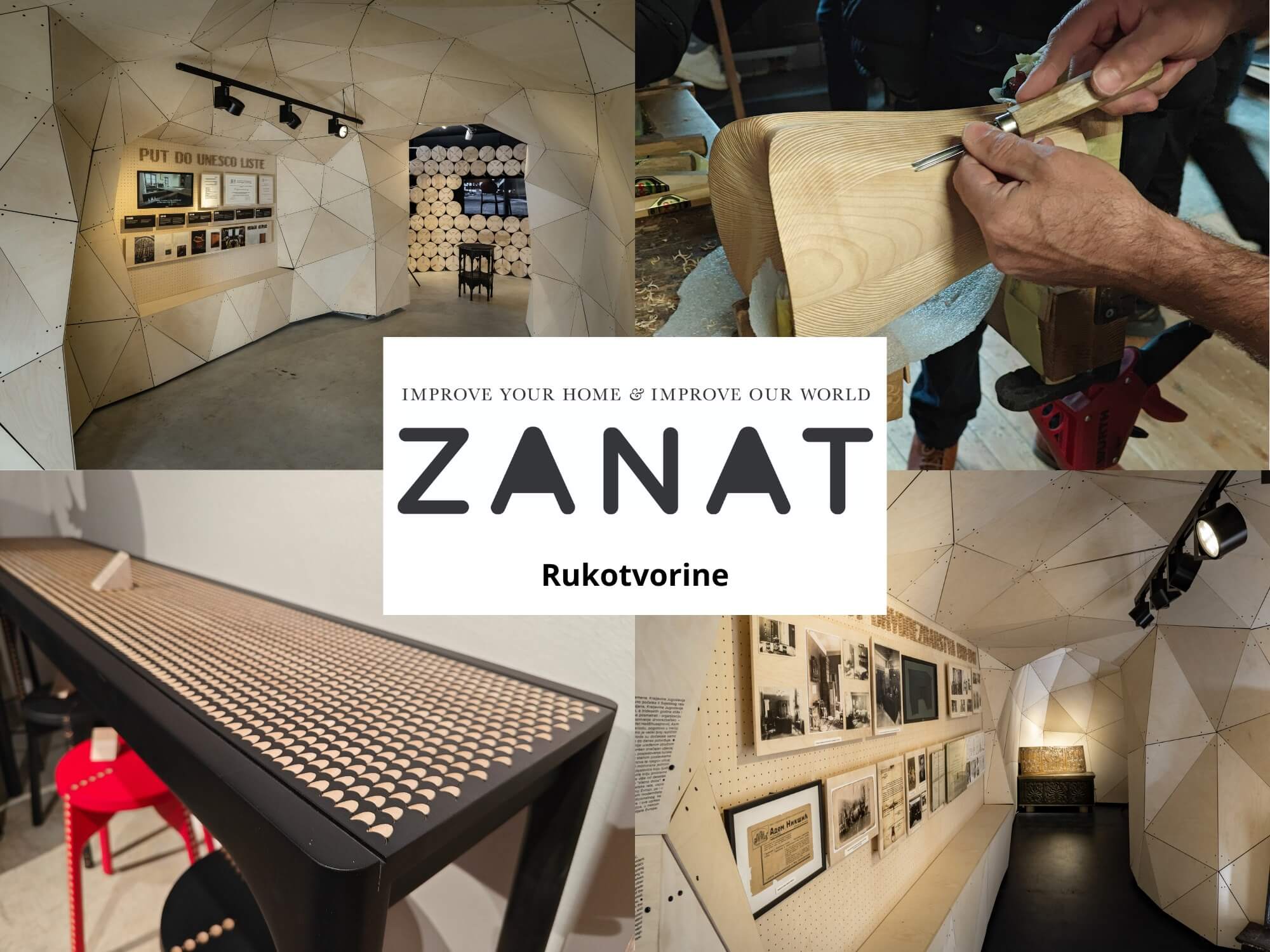
Rukotvorine d.o.o. Konjic is a renowned woodcarving company safeguarding local craftsmanship. Its workshops preserve traditional techniques while integrating contemporary design. The company produces high-quality handmade furniture and decorative objects that reflect both heritage and innovation. Within the project, it collaborates on the preservation and revitalisation of Konjic’s UNESCO-inscribed woodcarving tradition.
Regional Development Agency for Bjelasica,
Komovi and Prokletije (Montenegro)
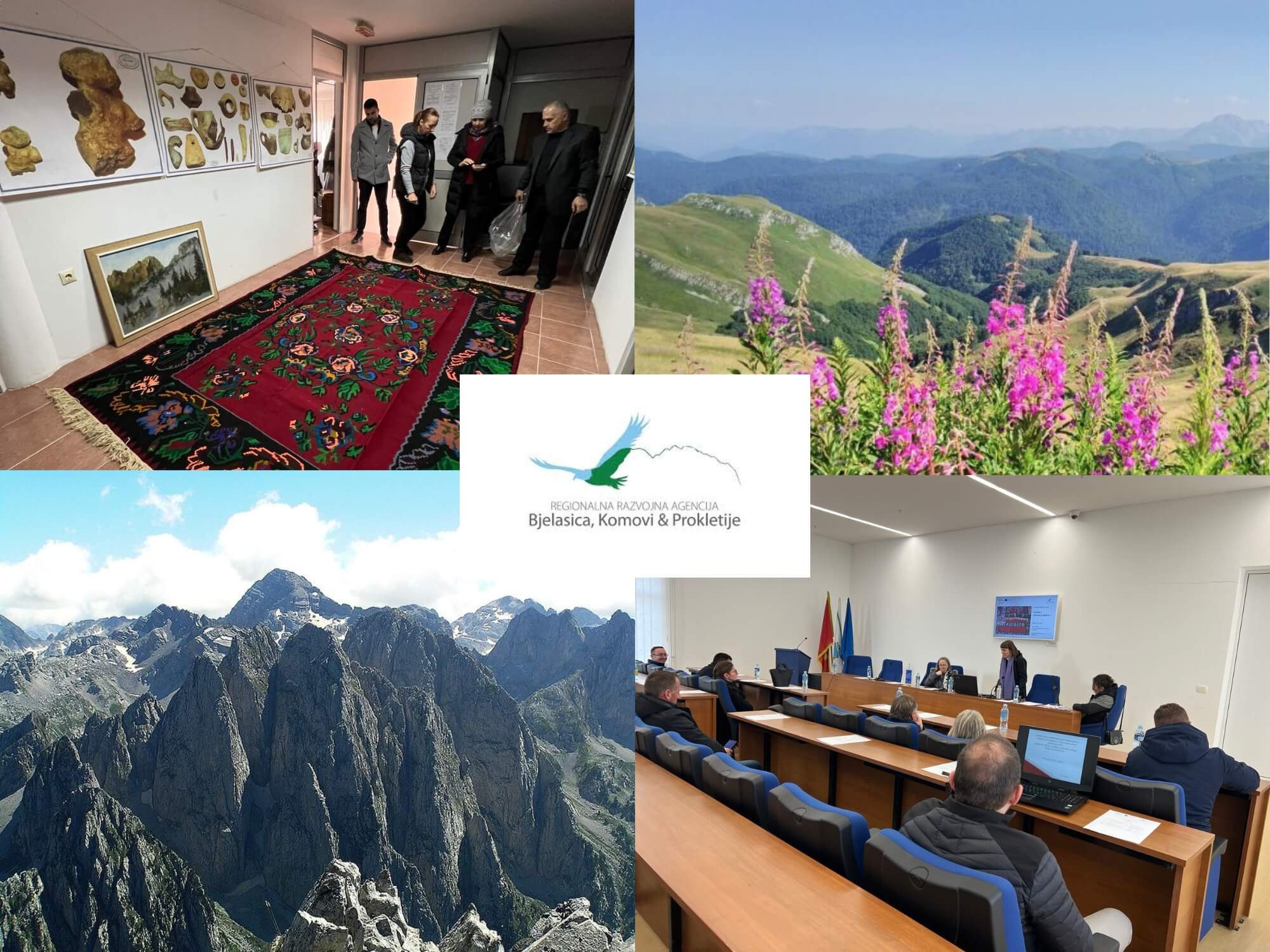
The Regional Development Agency for Bjelasica, Komovi and Prokletije is a non-profit institution dedicated to fostering balanced development in northern Montenegro. It supports sustainable tourism, entrepreneurship and heritage-based innovation. RDA BKP contributes wide experience in cultural heritage valorisation and community-driven development. In COMMHERITOUR, it leads the preservation of Bihor carpet-weaving tradition and strengthens local craft-based tourism.
Associated Strategic Partners
COMMHERITOUR is supported by a diverse group of Associated Strategic Partners that bring additional expertise, wider networks and policy leverage to the project. Coming from ten countries, they include national and regional authorities, chambers, thematic associations and cultural institutions. Their role is to enrich the project with sector-specific knowledge: from organising high-quality craft trainings to supporting creative industries, cultural development strategies and youth engagement activities. Many of them are active members of established cultural and creative networks, helping the project reach new territories and audiences, while others contribute practical insights from community work, craft preservation or heritage-based entrepreneurship. Together, the ASPs broaden the project’s impact, strengthen policy dialogue and ensure that the results developed in COMMHERITOUR can be transferred and applied well beyond the partner regions.